
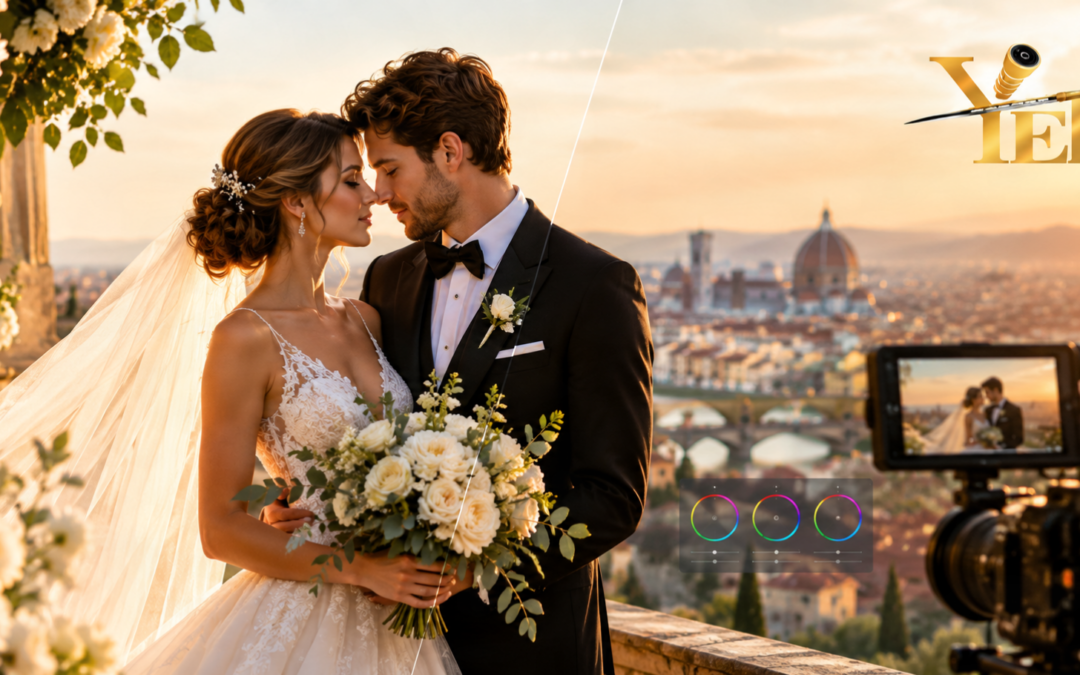
The Professional Videographer’s Guide to White Label Wedding Film Editing
A wedding day is more than beautiful footage.
It is the nervous smile before the ceremony. The look between two people who are about to start a new chapter. A father’s eyes filling with tears. Friends laughing on the dance floor. A quiet moment between the newlyweds when nobody else is watching.
Your wedding highlight film brings all of these memories together.
But even beautifully captured footage can look different from shot to shot. One scene may feel too warm, another too dark, while outdoor footage may have a completely different color tone from the ceremony.
This is where wedding highlight film color correction becomes important.
Professional wedding video color correction helps create a natural and consistent look across the entire film while keeping the emotions of the wedding day at the center.
Good color correction should not make a wedding film look artificial. It should help the footage feel consistent, natural, and emotionally true to the day.
What Is Wedding Highlight Film Color Correction?
Wedding highlight film color correction is the process of adjusting color, exposure, white balance, contrast, saturation, and overall image appearance so that different clips work together naturally.
Wedding videographers often film in constantly changing environments, including:
- Outdoor ceremonies
- Indoor receptions
- Churches and wedding venues
- Golden-hour portraits
- Dance floors
- Getting-ready rooms
- Night-time celebrations
Each location can create different lighting and color conditions.
Professional wedding video post production helps bring these clips together so the final highlight film feels like one complete story rather than a collection of unrelated shots.
Why Is Color Correction Important for a Wedding Highlight Film?
Imagine watching a bride walk down the aisle.
The moment is emotional. The music builds. Everyone is watching.
But suddenly, the bride’s skin looks too orange.
Then the next shot looks cold and blue.
The following clip is much darker.
These small differences can distract viewers from the emotion of the story.
Professional wedding video color correction helps maintain visual consistency while allowing the emotional moments to remain the focus.
1. Natural Skin Tones
People remember faces.
That makes natural skin tones one of the most important parts of professional wedding video editing.
Color correction can help reduce unwanted green, yellow, blue, or red color casts while maintaining realistic skin tones.
The goal is not to make everyone look artificial.
The goal is to make people look like themselves on one of the most important days of their lives.
2. Consistent Color Between Different Cameras
Many wedding productions use multiple cameras.
One camera might produce slightly warmer footage while another records cooler tones. Different lenses, camera profiles, lighting conditions, and exposure settings can also create variations.
Professional wedding film color correction helps create a more consistent visual experience across the highlight film.
This is especially important for multicamera wedding productions where viewers may move from one camera angle to another within seconds.
3. Better Exposure and Contrast
Wedding footage can contain challenging exposure situations.
A bright wedding dress against a darker background.
A couple standing beneath harsh sunlight.
A dim reception filled with colorful lights.
Wedding highlight film color correction can help balance exposure and contrast so important details are easier to see without making the footage look unnatural.
4. Preserve the Feeling of the Wedding Day
A wedding film should still feel like the wedding.
If the couple had a beautiful sunset ceremony, the warm atmosphere should remain.
If the reception was dark and intimate, the correction should not remove that mood.
This is why good wedding highlight film color correction is not simply about making footage brighter or more colorful.
It is about supporting the story.
Color Correction vs. Color Grading: What’s the Difference?
Color correction and color grading are often used together, but they serve different purposes.
Color correction focuses on making footage technically and visually consistent.
This can include:
- White balance
- Exposure
- Contrast
- Saturation
- Skin tones
- Color balance
- Camera matching
Color grading comes after correction and focuses more on the creative look and mood.
For example, a filmmaker may choose a warm, romantic look for a wedding highlight film.
A professional workflow often uses both:
Color correction creates consistency → Color grading creates mood.
For wedding films, the best result is usually a look that feels beautiful without taking attention away from the people and emotions on screen.
Common Wedding Video Problems That Color Correction Can Help With
Wedding videographers regularly deal with difficult lighting conditions.
Some of the most common challenges include:
Mixed Lighting
A reception venue may have warm indoor lights mixed with daylight coming through windows.
This can create inconsistent colors within the same scene.
Changing Outdoor Light
Clouds, direct sunlight, shade, and sunset can all change the appearance of footage within a short period.
Professional wedding video editing services can help maintain visual consistency across these changing conditions.
High ISO and Low-Light Footage
Reception footage often needs to be captured in limited light.
Color correction can help create a cleaner and more balanced appearance, although it cannot completely replace proper exposure or dedicated noise reduction.
Different Camera Profiles
Footage recorded using different cameras or picture profiles may require matching before the final film feels visually consistent.
Incorrect White Balance
Automatic white balance can sometimes shift between shots, creating noticeable changes in color temperature.
A professional wedding video post production workflow can bring these clips closer together.
How Professional Wedding Video Color Correction Supports Storytelling
Technical consistency is important, but wedding films are ultimately about people.
A bride’s expression.
A groom’s reaction.
Parents watching their children.
Friends celebrating together.
A first dance.
A final goodbye.
The purpose of wedding film color correction is not to make every frame look identical. It is to create enough visual consistency that the audience can stay connected to the story.
The color should support the emotion rather than compete with it.
Warm tones can complement a romantic sunset.
Balanced skin tones can keep portraits natural.
Controlled highlights can help preserve details in a white wedding dress.
Balanced shadows can retain atmosphere during an evening reception.
Every adjustment should have a reason.
The Human Touch Still Matters in AI-Assisted Editing
AI has changed the video editing industry.
Automated tools can help with repetitive adjustments, speed up workflows, and assist editors with large amounts of footage.
But wedding films are not just technical projects.
They contain memories.
A computer can identify faces, exposure levels, and color differences.
But an editor still needs to understand the feeling of the scene.
Should the bride’s entrance feel soft and warm?
Should the couple’s sunset portraits retain their golden atmosphere?
Should the reception remain slightly dark because that atmosphere is part of the mood?
These decisions require more than automatic correction.
That is why an AI + Human Touch editing workflow can be valuable for wedding videographers.
AI can help with speed.
Human editors can focus on consistency, visual judgment, storytelling, and the details that make the final film feel personal.
Professional Wedding Video Editing Without Losing the Emotion
For wedding professionals, editing can take many hours.
After shooting an entire wedding, you may have:
- Hundreds or thousands of video clips
- Multiple camera angles
- Different lighting conditions
- Audio files
- Ceremony footage
- Speeches
- Reception footage
- Couple portraits
- Drone footage
- Social media clips
Managing all of this while running your photography or videography business can become overwhelming.
Outsourcing part of your wedding video editing workflow can give you more time to focus on your clients, shooting, marketing, and growing your business.
At YourEditingTeam, we provide photo editing, video editing, and AI + Human Touch editing services for professional photographers and videographers.
Our approach combines AI-assisted efficiency with human quality control to help maintain the consistency and natural appearance that professional wedding films require.
You capture the memories. We help you finish the story.
Why Choose AI + Human Touch Wedding Video Editing?
A hybrid workflow can combine the speed of AI-assisted processing with human quality control.
Depending on the project, AI can assist with repetitive editing tasks while experienced editors review the final result.
This can be especially useful when you need to process a large volume of wedding footage without sacrificing visual consistency.
The technology helps with speed.
The human editor protects the feeling.
For photographers and videographers who want to outsource wedding video editing, this approach can provide a practical way to manage post-production while keeping quality and creative direction in focus.
FREE Trial for Wedding Photo & Video Editing
Not sure if outsourcing is right for your workflow?
You can try our editing service FREE before making a long-term commitment.
YourEditingTeam offers a FREE Trial for photo editing, video editing, and AI + Human Touch Editing.
Send us a project and see how our workflow fits your editing style, quality expectations, and turnaround requirements.
Whether you need wedding video editing, photo editing, retouching, color correction, or other post-production support, the goal is to make your workflow easier while maintaining the quality your clients expect.
Your Wedding Film Should Feel Like the Memory
Years from now, a couple may not remember every camera angle.
They may not remember the exact editing technique.
They will remember how they felt.
They will remember the person walking toward them.
The hands they held.
The people who were there.
The laughter.
The tears.
The first dance.
The celebration.
Wedding highlight film color correction plays a quiet but important role in preserving those moments visually. When colors are balanced, skin tones feel natural, and different scenes flow together, viewers can focus on what really matters—the story.
Because the best wedding film is not necessarily the one that looks the most processed.
It is the one that makes someone feel like they are there again.
Ready to Try a Better Wedding Video Editing Workflow?
Let your team spend more time filming and less time sitting behind the editing timeline.
Try YourEditingTeam FREE.
Get professional photo editing, video editing, and AI + Human Touch editing with a workflow designed for photographers and videographers at half price too on every Friday.

Frequently Asked Questions About Wedding Highlight Film Color Correction
What is wedding highlight film color correction?
Wedding highlight film color correction is the process of adjusting exposure, white balance, contrast, saturation, and color consistency across wedding video footage to create a natural and cohesive final film.
Is color correction necessary for wedding videos?
Professional color correction is highly recommended, especially when footage comes from different cameras, locations, lighting conditions, or picture profiles. It helps create a consistent visual appearance throughout the wedding highlight film.
What is the difference between color correction and color grading?
Color correction focuses on technical and visual consistency, while color grading creates a specific creative style or mood. Both can be used together in professional wedding video post production.
Can AI help with wedding video color correction?
Yes. AI-assisted tools can help automate repetitive correction tasks and speed up post-production. Human review remains valuable for maintaining consistency and making creative decisions based on the story and emotion of the wedding.
Should wedding videographers outsource video editing?
Outsourcing can help wedding videographers manage large volumes of footage and reduce the time spent on post-production. It can allow them to focus more on shooting, client communication, marketing, and business growth.
Can I try YourEditingTeam before placing a larger order?
Yes. YourEditingTeam offers a FREE Trial for photo editing, video editing, and AI + Human Touch editing, allowing photographers and videographers to evaluate the workflow before committing to regular outsourcing.